Delivery Credit Ownership
The order is marked complete, the customer says it never arrived, and GPS plus the courier photo disagree.
Delivery proof conflict
The case is not settled until someone owns the call.
Without an owner, the case stalls.
 webops
WebOps supplies trained teams for review queues, support escalations, QA sampling, and AI data workflows. We work in your tools and follow your SOPs, privacy rules, and thresholds while your team keeps policy ownership and final decisions.
Start with the queues causing strain.
Industry leaders in
Marketplaces
Social platforms
Mobility networks
Dating products
AI teams
CX operations
The work left after automation is not just leftover volume. It is the part of the queue where judgment, ownership, and escalation discipline matter most.
The order is marked complete, the customer says it never arrived, and GPS plus the courier photo disagree.
Delivery proof conflict
The case is not settled until someone owns the call.
Without an owner, the case stalls.
A chat is tagged as cancel request, but the customer says they will keep the order if the promo is honored.
Conditional intent review
AI surfaces the topic. The reviewer catches the condition.
Context changes intent.
The policy covers wrong item claims, but repeated sizing complaints point to a marketplace control issue.
Refund pattern escalation
Automation clears the refund. The repeat pattern still needs ownership.
Automation resolves
Wrong item claim
What remains
Sizing complaints repeat
Outside refund rulePolicy break
Order rule stops here
Human review
History and threshold checked
Owner recorded
Seller control escalated
The pattern needs an owner once a refund issue becomes a control issue.
Moving a conversation to WhatsApp can be routine in one market and an off-platform fraud signal in another.
User phrase
Move to WhatsApp?
Common locally
Risk reading
Off-platform cue
Market rule needed
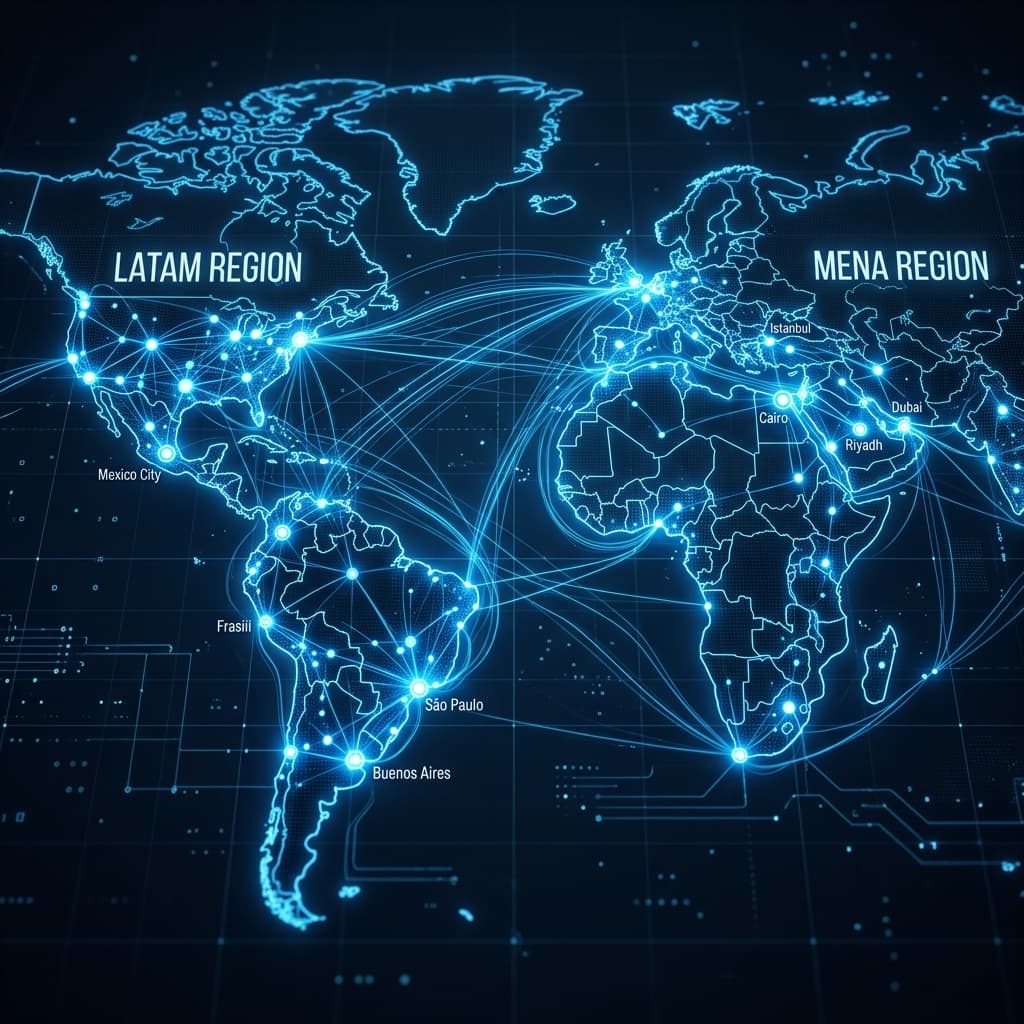
WebOps supports queues where dialect, market behavior, escalation rules, and client policy all affect how cases should be reviewed, routed, and reported.
Regional queue
Regional operations
Support, moderation, and model review work need people who understand the local context and the client playbook.
Operating signal
Policy rules
Trust queues
A threat, joke, slur, or appeal can change meaning before it reaches policy review.
Operating signal
Marketplace behavior
Commerce operations
Chargebacks, account flags, and refund cases need review paths that fit the market.
Operating signal
Model review
AI data services
The issue is not only error detection. Reviewers need to catch outputs that sound correct but miss context.
Operating signal
Escalation path
Queue governance
Repeated edge cases should go back to client decision owners instead of staying buried in the queue.
Operating signal
These are common places where clients use WebOps for trained reviewers, team management, QA discipline, escalation handling, and reporting.
AI & data workflows
Evaluation, annotation, localization, and QA for model workflows.
Domain
Annotation, output evaluation, localization review, QA sampling, prompt review, and model-behavior feedback loops.
Run inside client rubrics, privacy rules, source standards, and escalation paths.
Policies, tools, escalation thresholds, and final decisions remain yours. WebOps handles the daily review work around them: routing, QA, calibration, reporting, and escalations.
Stays with you
SOPs
Tool access
Policy thresholds
Escalation paths
Final decision authority
Run by WebOps
Reviews cases against your rules
Routes ambiguity
Samples QA
Calibrates reviewers
Reports patterns
Escalates exceptions

Fed back
Patterns return to your decision owners before they become hidden process drift.
These examples show the kinds of review, QA, and escalation problems WebOps can support. They are not public client claims.
See the control modelException ownership
Unclear cases need named decision paths before queue pressure becomes a larger issue.
Policy consistency
Reviewers need calibration, QA sampling, and escalation rules that keep judgment aligned.
Cost containment
Repeated misses, rework, and avoidable manual review turn unclear process into avoidable cost.
Authority retention
Client-owned tools, thresholds, and final decisions stay intact while the queue becomes managed.

“
The common thread is not task volume alone. It is the cost of getting the edge cases incorrect, and the need to keep judgment inside a controlled operating model.
WebOps note
Anonymized scenario
+MKT
Listing ambiguity becomes a managed review queue with policy return loops. CONTROL.
+OPS
Escalation pressure is routed through a documented operating model. BOUNDARY.

A scaling marketplace needs human review for ambiguous listings, policy edge cases, and user reports.
An AI team needs trained reviewers to evaluate outputs, label edge cases, and keep data quality consistent.
A support organization needs disciplined handling for cases where automation creates risk or customer issues.
Monthly insights on managing operational risk, AI labeling quality, and exception handling — for teams running high-stakes workflows.

Monthly
Operating model
Use WebOps for review, support, QA, escalation, and AI data workflows while your team keeps the process, systems, thresholds, and final decisions.
Talk to our operations teamClient keeps
SOPs, policies, tooling, thresholds, privacy rules, and final authority.
WebOps runs
Managed staffing, review, routing, QA sampling, escalation hygiene, and daily reporting.
Signal returned
Repeated exceptions, unclear cases, policy drift, and model-behavior patterns.