Social & Community Operations
Your LATAM and MENA queues need operators who understand the region.
WebOps runs market-specific support, appeals, and moderation workflows with multilingual teams trained on your policies. You keep ownership of every policy decision, legal response, and escalation threshold.
Spanish and Portuguese support for user issues, appeals, account access, and abuse reports.
Arabic, English, and French support with dialect and cultural-context awareness.
Multilingual operators calibrated to your market-specific workflows.
Clear routing to your Trust & Safety, legal, policy, or product teams.
Generic overflow treats every market the same. Regional operations can't work that way.
LATAM and MENA queues handle abuse reports where dialect matters, appeals where cultural context changes the ruling, and account issues where local user expectations shape escalation timing. An English-only overflow team misses these signals — and the missed signals create regulatory exposure, user trust damage, and policy drift.
User support and escalation
Run market-specific support queues for user questions, account issues, appeals, and sensitive escalations across chat, email, and voice. WebOps agents follow your playbooks, document every decision, and route cases that cross your thresholds.

Moderation operations and policy support
Support content review workflows and localized policy guidance without taking ownership of the policy itself. WebOps operationalizes your standards for regional teams, identifies unclear edge cases, and feeds those patterns back to your internal policy owners.
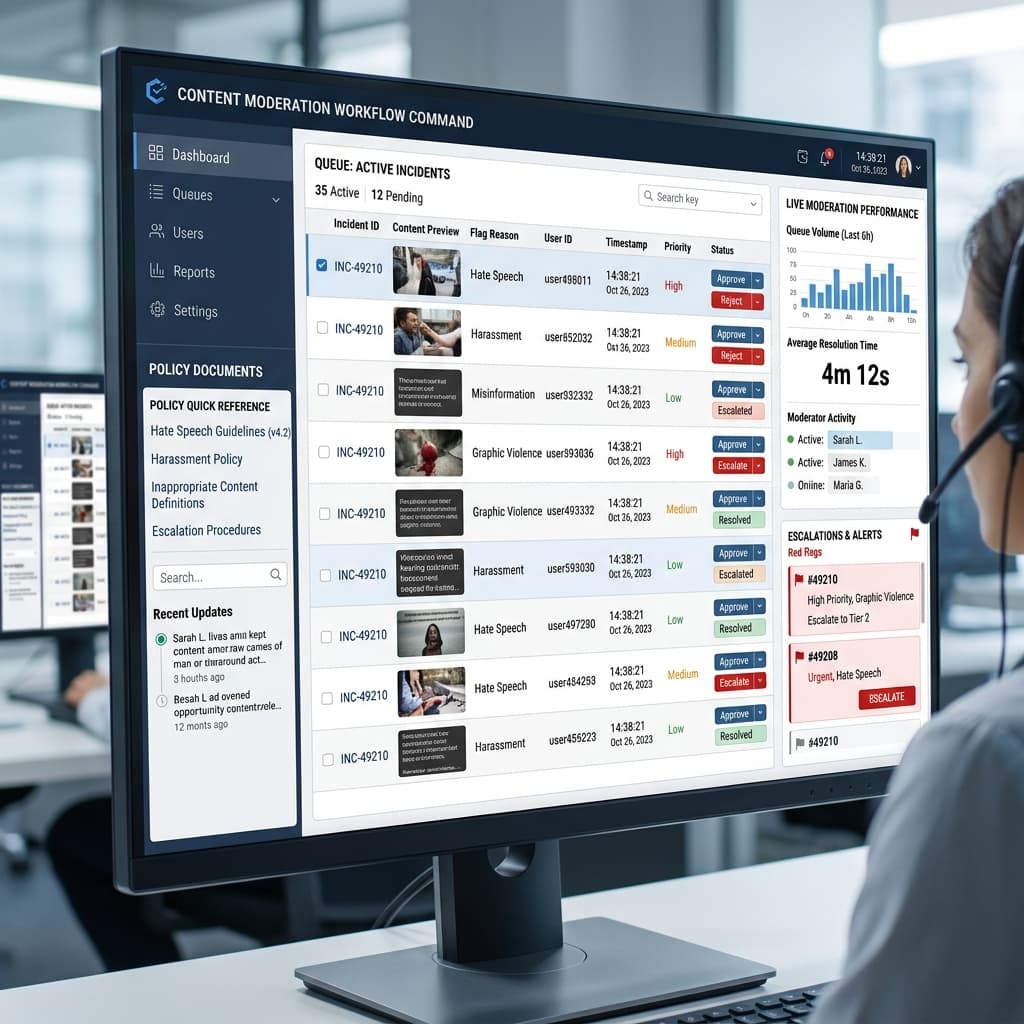
Your policies and queues. Our trained operators and escalation discipline.
WebOps starts with what you already have: queue definitions, policy documents, tooling, escalation thresholds, and QA standards. The operating model adds capacity without creating a parallel decision system.
Map the queues
Review regional workflows, ticket types, languages, escalation paths, ownership boundaries, and tooling.
Calibrate the team
Train operators on your policies, regional examples, edge cases, quality standards, and language requirements.
Run the operation
Manage support, appeals, account issues, abuse reports, and moderation workflows inside your process.
Escalate and report
Route sensitive cases to the right internal owner. Report recurring patterns, unclear policy areas, and queue-level risks.
Your team owns
WebOps executes
Ready to map your regional support needs?
Talk to our operations team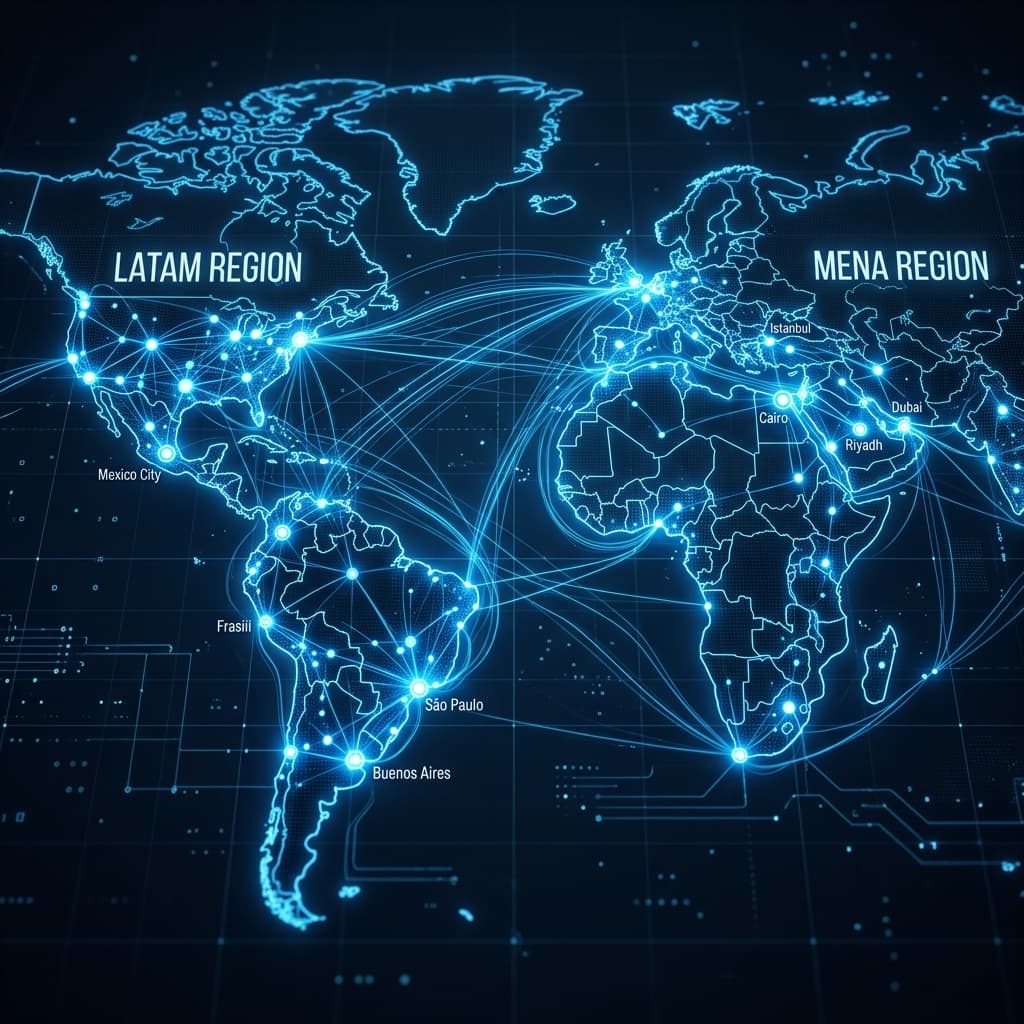
Automation handles volume. Regional nuance is where overflow queues fail.
Generic BPO overflow can help with throughput, but sensitive regional workflows need operators trained on your policies, your queue boundaries, and your escalation rules.
Before
Generic overflow model
- 1Treats regional queues as interchangeable volume problems.
- 2Misses language, dialect, and market-specific context that affects escalation.
- 3Pushes unclear cases back to internal teams without useful pattern visibility.
After
WebOps regional operations layer
- 1Runs separate market queues inside your existing operating model.
- 2Applies trained human judgment to appeals, account issues, abuse reports, and moderation cases.
- 3Reports edge cases and policy ambiguity back to your Trust & Safety, policy, legal, or product owners.
Clear boundaries before a regional queue goes live.
Who owns final policy decisions?
You do. WebOps operates inside your policies, tools, and escalation paths. We execute and report. Your internal team keeps authority over standards, legal response, and final decisions.
Do LATAM and MENA cases share one queue?
No. Separate regional queues with their own language coverage, case types, escalation thresholds, and quality review rules.
Does WebOps handle government requests or legal response?
No. WebOps identifies and routes legal-sensitive or government-related cases through your defined escalation path. A separate engagement is required to expand that scope.
Do you replace our internal Trust & Safety team?
No. WebOps extends the operating layer. Internal leaders keep policy control, legal authority, escalation ownership, and final decision rights.
Run regional community queues without losing control of policy.
WebOps adds trained operating capacity for LATAM and MENA support, appeals, account issues, and moderation workflows. Your team keeps authority over policies, legal response, escalation rules, and final decisions.
Talk to our operations team