
Marketplace & E-Commerce Operations
Every unresolved exception leaks margin.
We handle the operational gray zone — listing exceptions, order failures, seller disputes, payment checks, and chargeback evidence — where inconsistent handling turns into direct financial loss. You keep full ownership of SOPs, tools, risk thresholds, and final decisions.
Review catalog exceptions, restricted-item signals, duplicates, and seller policy issues.
Support order failures, inventory mismatches, pricing issues, and return exceptions.
Handle buyer and seller cases, evidence gathering, refund workflows, and escalation.
Support payment verification, fraud checks, refund review, and chargeback evidence preparation.
Most marketplace loss starts as an unresolved exception in a queue nobody owns.
Automation routes the obvious cases. But marketplace leakage comes from the gray zone: a listing that almost matches policy, a refund request with weak evidence, a seller pattern that looks suspicious, or a chargeback file missing context. These exceptions need trained operators who understand the playbook and know when to escalate.
Order & listing integrity
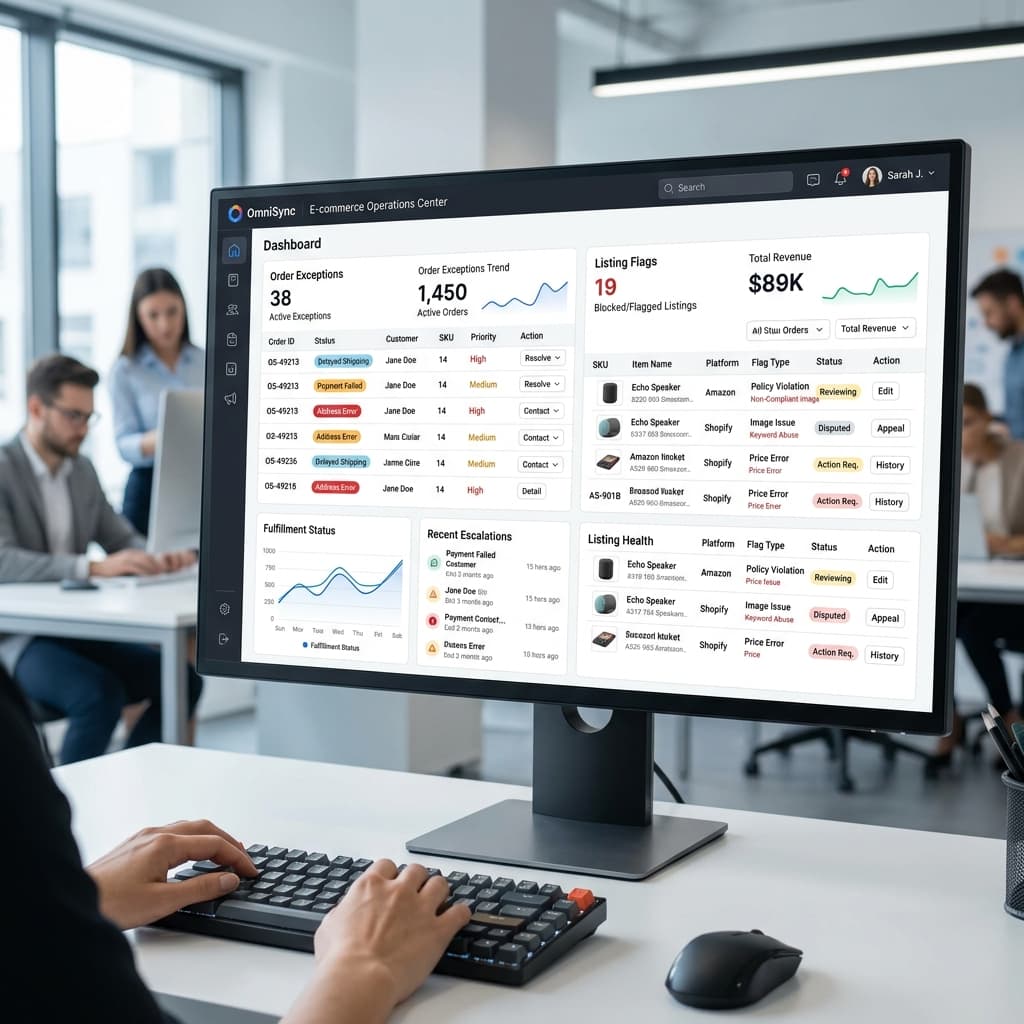
WebOps handles exception queues where catalog errors, restricted-item signals, duplicate listings, inventory mismatches, and pricing issues create avoidable refunds and support load.
- Listing and catalog exception review
- Inventory, pricing, and fulfillment handling
- Return abuse and seller policy routing
Buyer/seller support & disputes
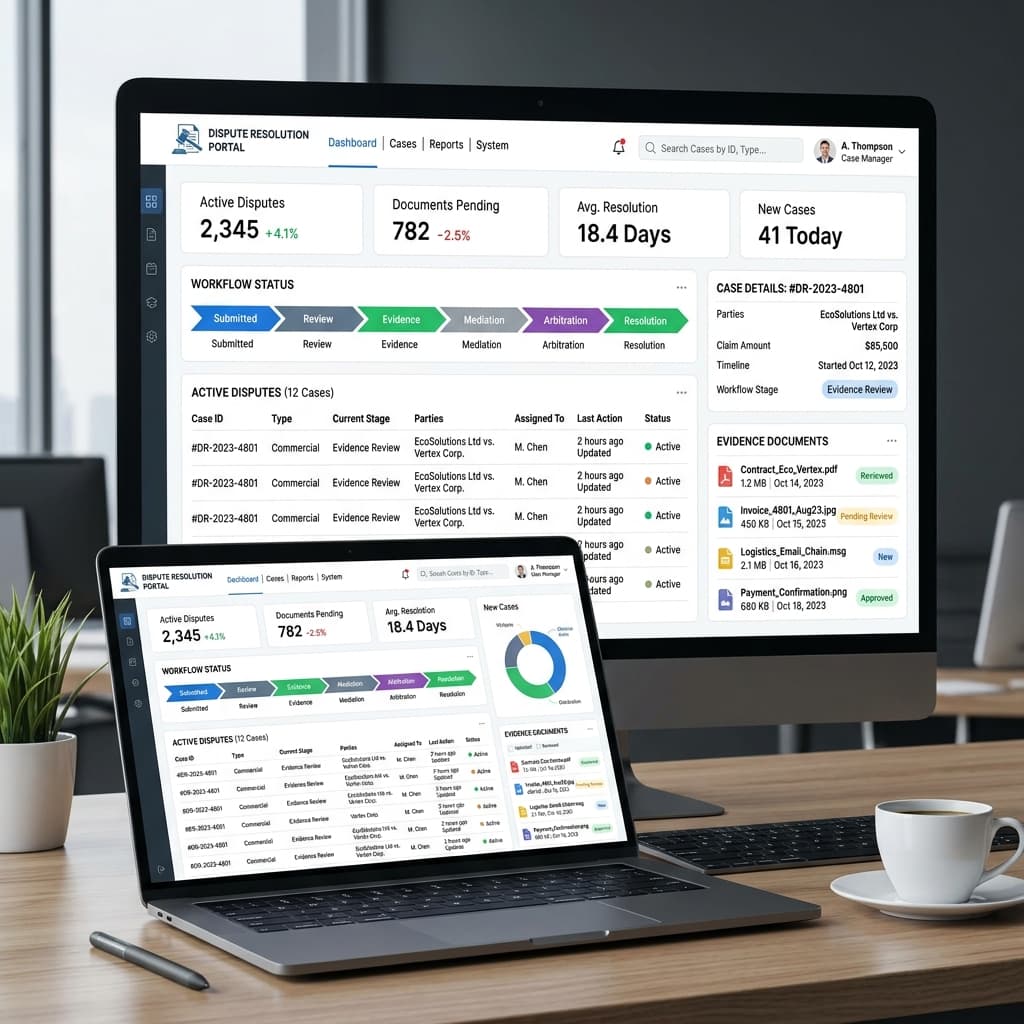
WebOps supports buyer and seller queues where inconsistent handling damages trust and creates avoidable refunds. Teams manage case intake, gather evidence, follow dispute playbooks, and route high-impact cases through your thresholds.
- Buyer and seller inquiry handling
- Dispute evidence and case documentation
- Refund, return, and escalation support
Payments risk & chargebacks
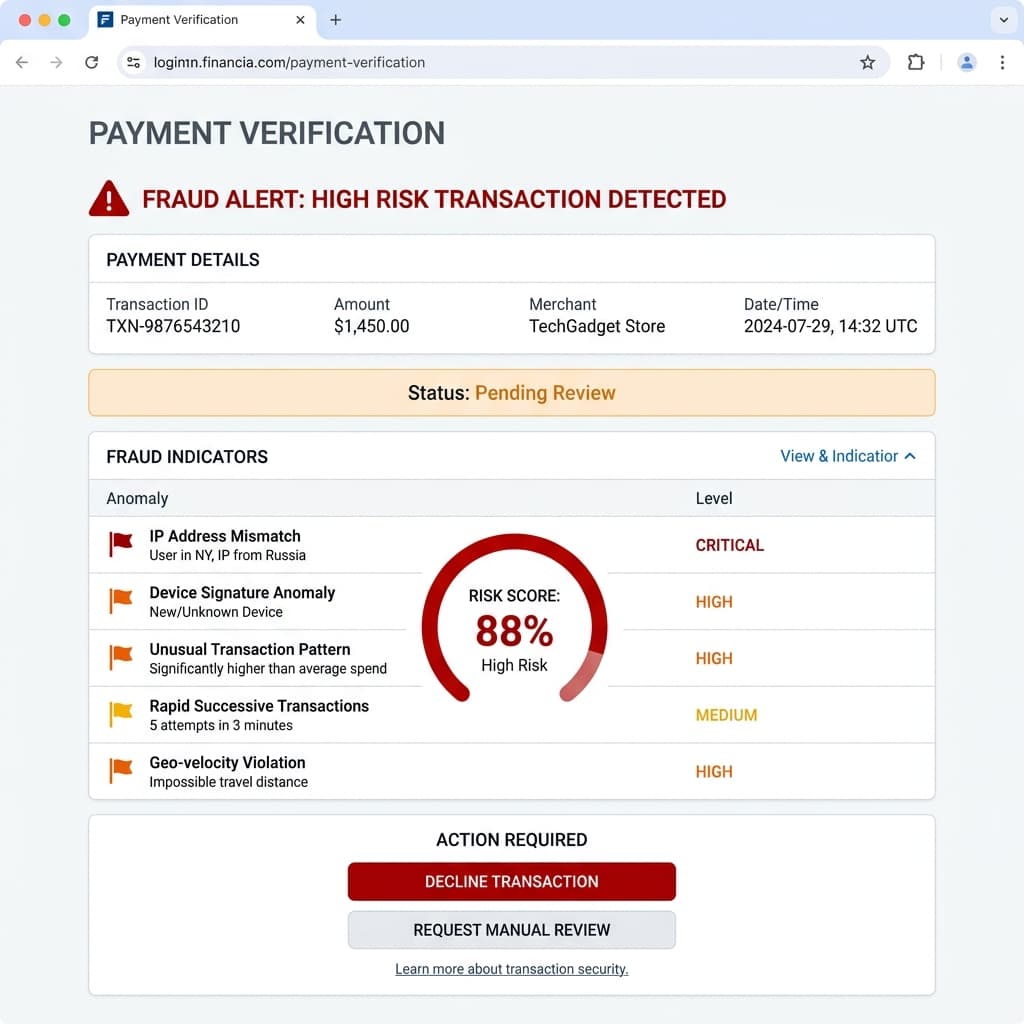
WebOps supports the operational layer around risky transactions: payment verification, fraud-signal review, refund validation, chargeback evidence preparation, and handoff to your risk or compliance owners.
- Payment verification and fraud-check support
- Refund review and exception routing
- Chargeback packet preparation and risk-owner handoff
Your SOPs and thresholds. Our trained operators and QA discipline.
WebOps starts with your existing process: marketplace policies, queue definitions, admin tools, refund rules, fraud signals, QA standards, and escalation owners. The operating model adds trained execution capacity without creating a parallel decision system.
Map the risk queues
Identify listing, order, dispute, payment, refund, and chargeback workflows. Define owners, tools, thresholds, and handoff paths.
Calibrate the team
Train operators on your SOPs, marketplace examples, fraud signals, evidence requirements, QA rules, and escalation criteria.
Run the operation
Execute queue work inside your systems: listings, orders, disputes, refunds, verification checks, and chargeback support.
Escalate and report
Route high-risk or policy-unclear cases to internal owners. Report leakage patterns, seller signals, QA issues, and process gaps.
Your team owns
WebOps executes
Ready to map your marketplace risk queues?
Talk to our operations teamAutomation catches the obvious cases. Leakage hides in the exceptions.
Commerce automation moves volume. But high-risk marketplace work needs trained operators who understand the playbook, know what evidence matters, and recognize when a case crosses the escalation threshold.
Before
Generic overflow model
- 1Treats listings, orders, disputes, and refunds as simple throughput.
- 2Applies inconsistent judgment when evidence is incomplete or policy is ambiguous.
- 3Escalates late, documents weakly, and gives internal owners limited pattern visibility.
After
WebOps managed exception layer
- 1Runs defined marketplace queues inside your SOPs, tools, and thresholds.
- 2Documents case handling, gathers evidence, and applies QA discipline across operators.
- 3Routes high-risk cases and reports recurring leakage patterns back to internal owners.
Clear authority before marketplace queues go live.
Who approves refunds and return decisions?
You own refund and return policy. WebOps follows your playbooks, prepares case context, documents handling, and routes exceptions to the internal owner defined in the escalation path.
Does WebOps decide fraud policy?
No. You own fraud rules, risk thresholds, and final risk decisions. WebOps supports operational review, fraud-signal triage, evidence gathering, and threshold-based escalation.
How does WebOps support chargebacks?
WebOps prepares chargeback evidence packets, gathers order and support context, checks documentation completeness, and routes high-risk cases to your payments, risk, or compliance owner.
Does WebOps handle compliance determinations?
No. Compliance interpretation and regulatory decisions stay with you. WebOps supports the operational workflows around verification, documentation, routing, and reporting.
Protect marketplace margin without losing control of the process.
WebOps adds trained operating capacity for listing integrity, order exceptions, buyer and seller disputes, payment verification, and chargeback support. Your team keeps ownership of SOPs, tools, thresholds, compliance authority, and final decisions.
Talk to our operations team